- Ocean Chronicles
- Posts
- How Sea Turtles Navigate the Globe
How Sea Turtles Navigate the Globe
Guided by the Earth
Imagine being born on a moonlit beach, only to vanish into the vast ocean and not return for decades—yet somehow, when the time comes, you find your way back to the very beach where it all began.
This isn’t fantasy. It’s the real-life magic of sea turtles.
How do sea turtles cross entire oceans… and still find their way home?
🐢 Born to Navigate
From the moment hatchlings break free from their shells, sea turtles begin one of nature’s most remarkable migrations. Some species travel thousands of miles across open ocean, encountering predators, currents, and countless threats—only to return, often decades later, to lay eggs on the same beach where they were born.
This extraordinary homing ability has baffled scientists for years. But research is finally revealing the secrets.
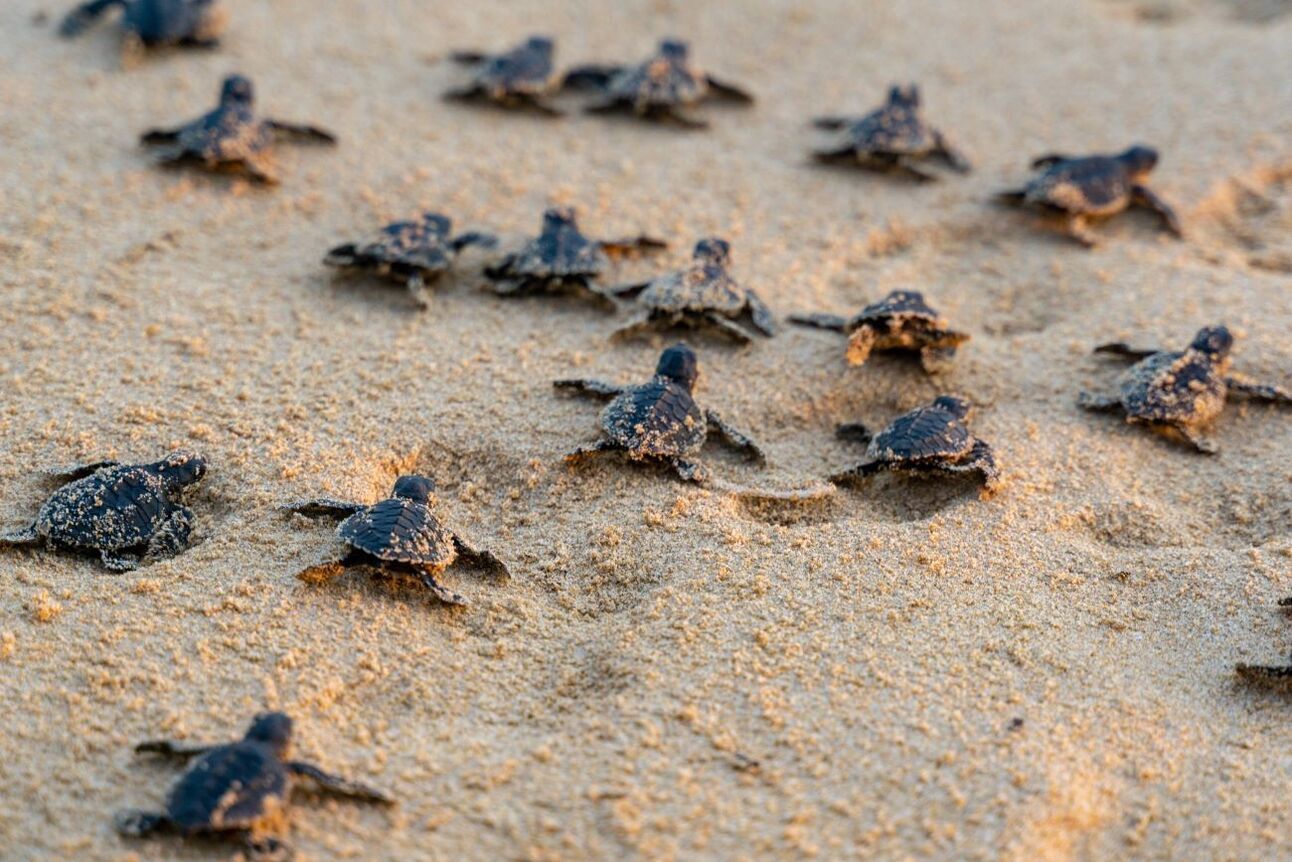
🌍 The Magnetic Map Theory
Sea turtles are one of the few animals known to detect Earth’s magnetic field. Like having a built-in GPS, they use this to create a kind of “magnetic map” of the ocean.
Every coastline has a unique magnetic signature—like a fingerprint. Turtles imprint on this magnetic code as hatchlings, storing it in their brains. Years later, they follow these magnetic cues back home with incredible precision.
One study showed that even when moved far from their original beaches, turtles could still correct their course and find their way home. Wild, right?

🌊 Riding the Currents
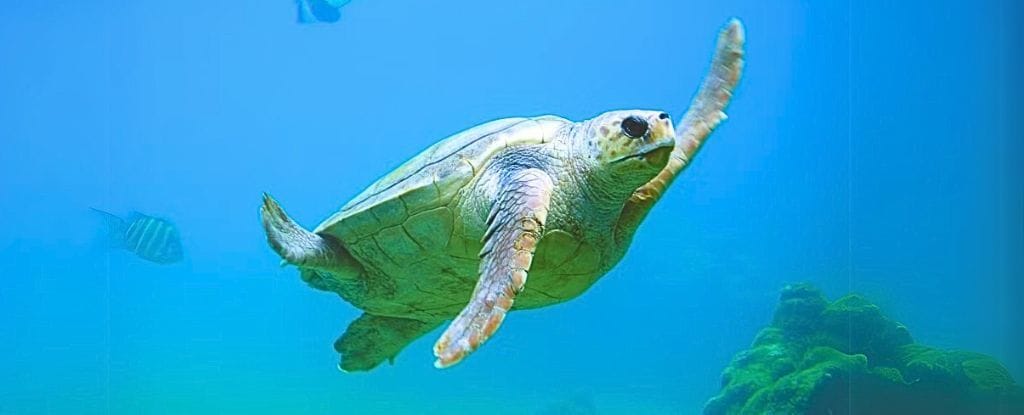
Navigation isn’t just about direction—it’s also about efficiency. Sea turtles are known to ride ocean currents, like marine escalators, to conserve energy. The North Atlantic gyre, for example, plays a big role in the journey of loggerhead turtles, helping them circle the Atlantic from Florida to Europe and back.
They’re not just swimmers—they’re savvy travelers.
🧭 What We Still Don’t Know
Despite decades of research, questions remain: Do turtles use the stars? Do they sense ocean chemistry? Can they detect underwater sounds from shorelines?
Some scientists think multi-sensory navigation is likely—magnetism, smell, even light polarization may all play a role.
The truth is, we’re still scratching the surface. Nature is often more mysterious than we can imagine.
Clean Ocean Crew
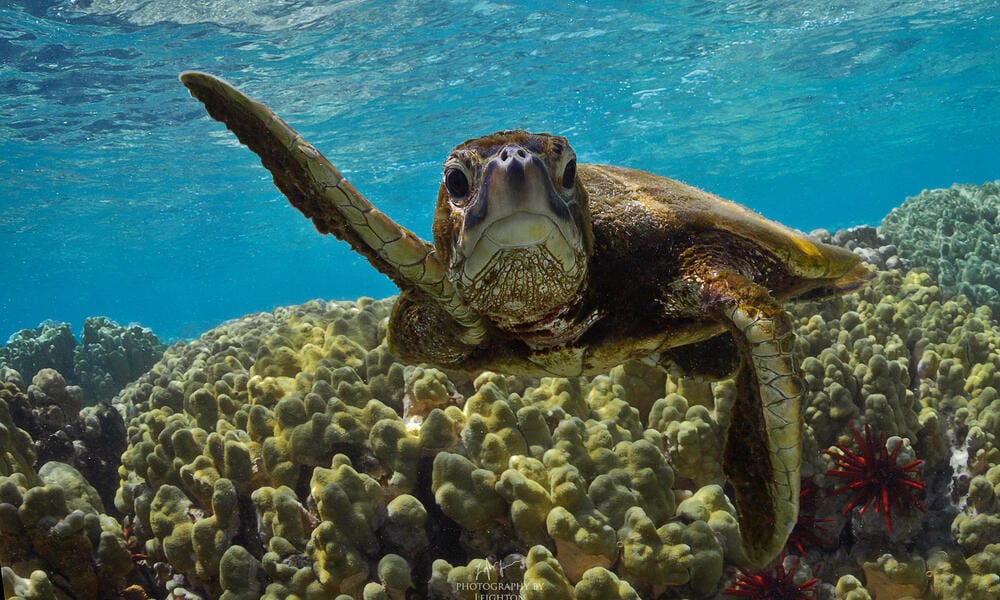
Help remove 1 pound of ocean plastic and protect sea turtles by joining the Clean Ocean Crew!
Every action counts. Together, we can turn the tide.
Thank you for joining us on this dive into the depths of Ocean Chronicles! If someone forwarded you this email, you can subscribe for free by clicking the button below.