- Ocean Chronicles
- Posts
- World of Whale
World of Whale
Songs, Giants, and Conservation
Welcome to Ocean Chronicles! Dive into the mesmerizing world of whales — the gentle giants of our oceans. From their captivating songs to their awe-inspiring migrations, whales continue to amaze and inspire. We’re exploring their mysteries, celebrating their beauty, and spotlighting conservation efforts to ensure their survival.
The Melodies of the Deep
Humpback whales are the composers of the ocean, known for their complex and hauntingly beautiful songs. These melodies can last for hours and travel for miles beneath the waves. Scientists believe these songs play a role in communication and mating, but much remains a mystery. Did you know that every population of humpbacks has its unique "tune," which evolves over time?
To listen to the latest recordings of these underwater symphonies, check out the Whale Song Project’s website. Their work helps researchers decode the language of the sea. Click below to hear the sounds of the ocean!
Whale Spotlight: The Blue Whale
The blue whale is the largest animal ever known to have lived on Earth. Stretching up to 100 feet and weighing as much as 200 tons, these majestic creatures are truly a wonder. Despite their size, blue whales feed almost exclusively on tiny krill. Consuming up to four tons of krill daily, they demonstrate the delicate balance of ocean ecosystems.
Conservation status: Endangered. Threats include ship strikes, climate change, and pollution. Learn how to support efforts to protect blue whales through organizations like the Blue Whale Conservation Society.
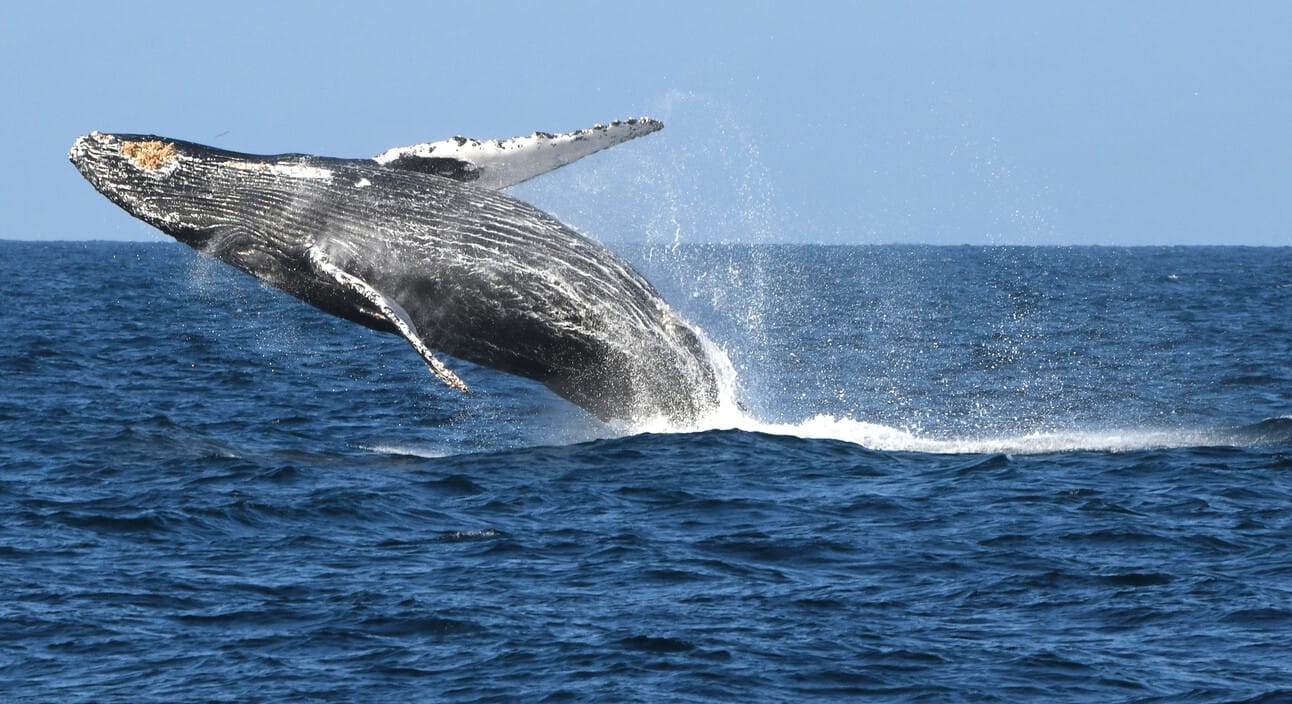
Whale Watching:
Trying to plan a trip to do some whale watching? We’ve got some tips for you:
Peak whale watching seasons:
Humpback Whales: Alaska (May to September) and Hawaii (November to April).
Gray Whales: California coast (December to May).
Blue Whales: California and Costa Rica (Summer months).
Research Responsible Tours: Choose operators that prioritize the well-being of whales.
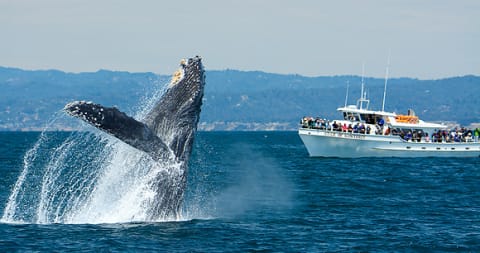
Keep a Safe Distance: Observe from at least 100 yards away to avoid disturbing them.
Bring Binoculars: Enhance your view while maintaining respect for their space.
Learn Before You Go: Study whale species in your region to enrich your experience.
Thank you for joining us on this dive into the depths of Ocean Chronicles! If someone forwarded you this email, you can subscribe for free by clicking the button below.